

Health and Shift Work
The majority of us enjoy our daily lives blissfully unaware of the men and women who toil through the night to make this possible. In Singapore, around 20% of the workforce are on shift work and 1 in 10 workers here work at night. These workers come mainly from the healthcare, manufacturing, logistics, aviation and service industries (e.g. security, hospitality, data centres, taxi drivers, etc.). However, working outside the traditional 9 to 5 work schedule can disrupt sleep patterns, metabolism and overall health. This can also impact productivity and safety at work as falling asleep on the job may result in mistakes and accidents occuring.
The Circadian Rhythm
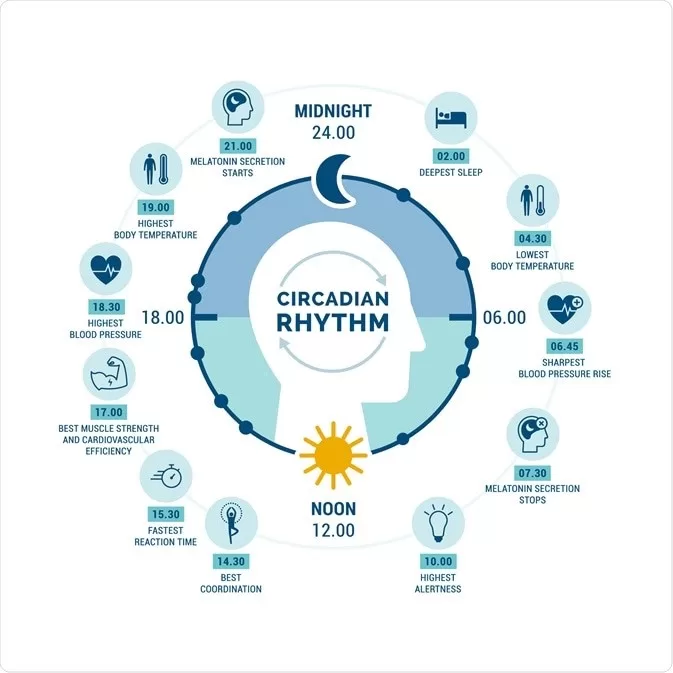
Our body has an internal 24 hour clock called the circadian rhythm that helps to guide our bodily functions. This rhythm regulates when we feel alert or sleepy, how our metabolism works and even when certain hormones are released. It naturally follows the cycle of day and night, with light being the strongest signal that tells our body it is time to be awake.
For workers who work at night, working under bright lights at sends mixed signals to the brain, keeping you alert when your body naturally wants to rest. When they end their work in the day, trying to sleep can be difficult because your body is programmed to be awake when the sun is out. For those with rotating shifts the constant switching between day and night makes it harder for your circadian rhythm to stabilise leading what is termed as 'social jet lag' (mismatch between internal clock and external 'social clock'
This disruption can lead to a wide variety of health problems such as poor sleep quality during rest hours, digestive issues, weight gain, cardiovascular disease and mental health issues.
Reducing the Negative Effects of Shift Work

In some occupations, shift work is unavoidable. There are still some small lifestyle changes one can make that can minimise the side effects of shift work
Healthy Balanced Meals
Even if your schedule is irregular, try to eat 3 structured meals to avoid overeating or skipping food. Try to include wholegrains (brown rice, wholemeal bread, etc.), lean protein and vegetables in your meals. Avoid greasy or heavy meals late at night or before going to sleep after your shift which may cause indigestion, sluggishness and difficulty falling asleep. Choose lighter meals such as soups, wraps or salads which are easy to prepare before heading to a shift. Good snack options during a shift include nuts, seeds, fruit and yoghurt.
Our sacha inchi seeds can be one of your snack options during your shift! It is high in omega 3,6 and 9 making a great healthy snack to fuel you during your shift. Try it today
Drink Up and Hydrate
Dehydration contributes to fatigue and reduced concentration. Aim for water as your main drink and limit the intake of energy drinks and sodas high in sugar. Avoid caffeine within 4–6 hours of bedtime to protect sleep quality. If you want to reach for a coffee or tea to help keep yourself awake, do it early in your shift and remember to add less sugar.
Light and Sleep Management
Get bright light exposure when you wake up or start your shift to signal alertness. Use dark or blackout curtains to darken the room when you sleep to simulate night time. You may also use earplugs or white noise to reduce daytime noise if needed. Taking short naps 20–30 minutes before a shift can restore energy without grogginess. Gentle movement or stretching during breaks can reduce fatigue and stiffness. Try to get natural sunlight when possible to readjust the body clock.
Eat Better, Sleep Better for a Productive Shift

Shift work brings unique health challenges, but small, consistent choices in diet, sleep and lifestyle can make a huge difference. By fueling your body with the right foods, keeping hydrated and having a good rest, you can stay energised, focused and healthier in the long run.