

Introduction
Diabetes is no longer just a personal health condition – it has become one of the fastest-growing global health challenges. According to the International Diabetes Federation, 589 million adults globally are living with diabetes which is roughly around 1 in 9 adults. This also resulted in a global healthcare expenditure of at least USD$ 1 trillion. Behind these numbers are real people, families and communities whose lives are being affected by this chronic disease.
What is Diabetes?
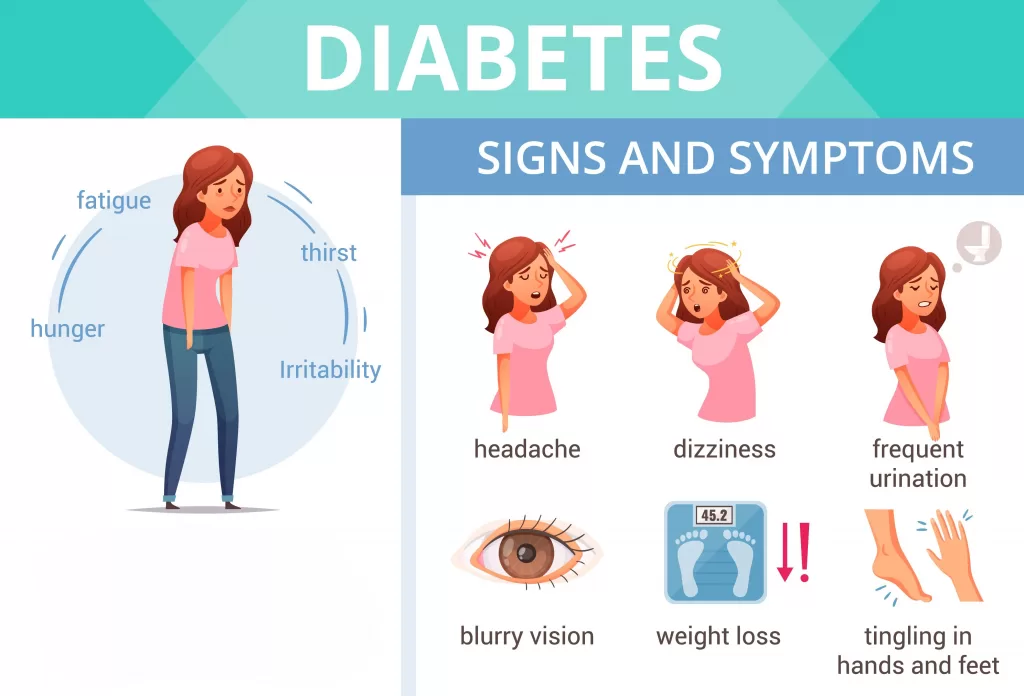
Diabetes is a chronic condition where the body cannot properly regulate blood glucose (commonly referred to as blood sugar). Glucose is the body’s main source of energy, but when it builds up in the blood instead of being used by the cells, it can slowly damage blood vessels and nerves. This can lead to serious health conditions such as kidney damage, cardiovascular disease and eye problems.
Type 1 Diabetes: An autoimmune condition where the body stops producing insulin. Usually diagnosed in childhood or adolescence.
Type 2 Diabetes: The most common form, where the body becomes resistant to insulin or does not produce enough. Often linked to lifestyle factors and genetics.
Gestational Diabetes: Develops during pregnancy and usually resolves after birth. It may lead to an increased risk of Type 2 diabetes later in life.
Diabetes in South East Asia
Regionally in South East Asia, there are roughly 42.7 million adults diagnosed with diabetes.
Main reasons why this is so is due to changing diet and lifestyle habits, rapid urbanisation, increase in obesity rates amongst others. There are also other biological factors at play with studies suggesting that certain populations in South East Asia may have a higher risk of getting diabetes due to certain genetic factors.
However, there remains a large percentage of the South East Asian population especially in rural areas who may not be living with diabetes but not diagnosed. As access to affordable healthcare remains a challenge in certain countries in the region, the focus is on preventing or lowering the risk of diabetes.
For example in Singapore, the Nutri-Grade system was launched with the aim of lowering the amount of sugar in drinks. This has achieved much success and plaudits by the global community. Recently, the system has been expanded to include sodium levels in sauces, seasonings and instant noodles
What can we do?

Diabetes may be on the rise globally but it is not impossible to slow it down. With the right steps, we can prevent many new cases and improve the quality of life for those already living with the condition.
Here are some useful tips to fight the rise in diabetes.
Stay Active: Aim for at least 150 minutes of moderate physical activity* such as brisk walking, cycling, swimming a week. Do not forget to also work out your muscles such as through strength or resistance training.
Doing household chores is also a form of physical activity too!
*Moderate Intensity: one is able to talk in phrases or short sentences but unable to sing a song whilst doing the exercise
Eat well: Having a balanced diet can reduce the risk of diabetes. Include more whole grains, lean meat as well as fresh fruits and vegetables. For those on a plant-based diet, sources of protein can include tofu, tempeh, lentils and chickpeas.
Try to lower the amount of sugar, salt and unhealthy fats (saturated and trans fats) in your diet. It can be as simple as asking for less or no sugar in your drink, using less dipping sauces or condiments and not eating deep fried foods often.
Sugar alternatives such as Saccharo® can be used to substitute sugar in tea, coffee as well as in various cooking and baking recipes.
Do remember to eat all foods in moderation!
Act Today for a Brighter Tomorrow
Diabetes is one of the fastest-growing health challenges of our time, but it is not unbeatable. By making small but consistent lifestyle changes we can significantly lower our risk. For those already living with diabetes, good management and regular medical care can help prevent complications and support a healthier, longer life
Most importantly, remember that early detection saves lives. Many people live with diabetes for years without knowing it, only discovering it once complications have begun. A simple blood sugar test during your routine health checkups can make all the difference.