

What is the Mediterranean Diet?
The Mediterranean Diet has long been praised for its heart-healthy benefits, focus on whole foods and role in lowering the risk of chronic diseases such as diabetes and cardiovascular disease.
At its core, the Mediterranean Diet emphasises consuming more whole grains, fresh fruits and vegetables as well as fish, seafood and legumes for protein. Healthier oils such as olive oils are frequently used in cooking. Poultry, eggs and dairy may also be consumed in moderation. Red meat, processed foods and drinks with added sugar are seldom consumed in a Mediterranean Diet. Herbs and spices are often used for flavour and seasoning with minimal amounts of salt.
Adaptations for the Asian Palate
While the Mediterranean Diet originates from countries like Greece, Italy and Spain, its principles can be adapted for the Asian palate by making small swaps in your daily diet.
Use Healthier Oils: Try to use healthier oils such as olive oil for your daily cooking. Olive oil is rich in monounsaturated fats and antioxidants called polyphenols, both of which help lower “bad” LDL cholesterol and support heart health. Canola and rice bran oil are good alternatives as they are also lower in saturated fats and are suitable for frying.
Fresh, Tasty Local Fruits and Vegetables: Fruits and vegetables often eaten in Asian cuisine can be eaten as part of a Mediterranean Diet as well. In a Singaporean context, locally grown vegetables such as bok choy, kangkong and okra (ladies' fingers) can be incorporated as part of a Mediterranean Diet. Fresh fruits like guava, dragon fruit and mangosteen commonly found in Asian markets are some nutritious fruit options
Fish and Seafood: In the Mediterranean Diet, oily fish such as salmon are frequently consumed. A good local alternative would be batang (Spanish Mackerel). Other local fish and seafood are also a source of non-red meat protein.
Spice up Your Food: In Asia, herbs and spices are commonly used in everyday cooking. They can be used to enhance or add flavours to foods while also reducing the amount of salt required. Excessive consumption of salt may lead to health conditions such as hypertension and renal disease.
Making Better Choices while Dining Out
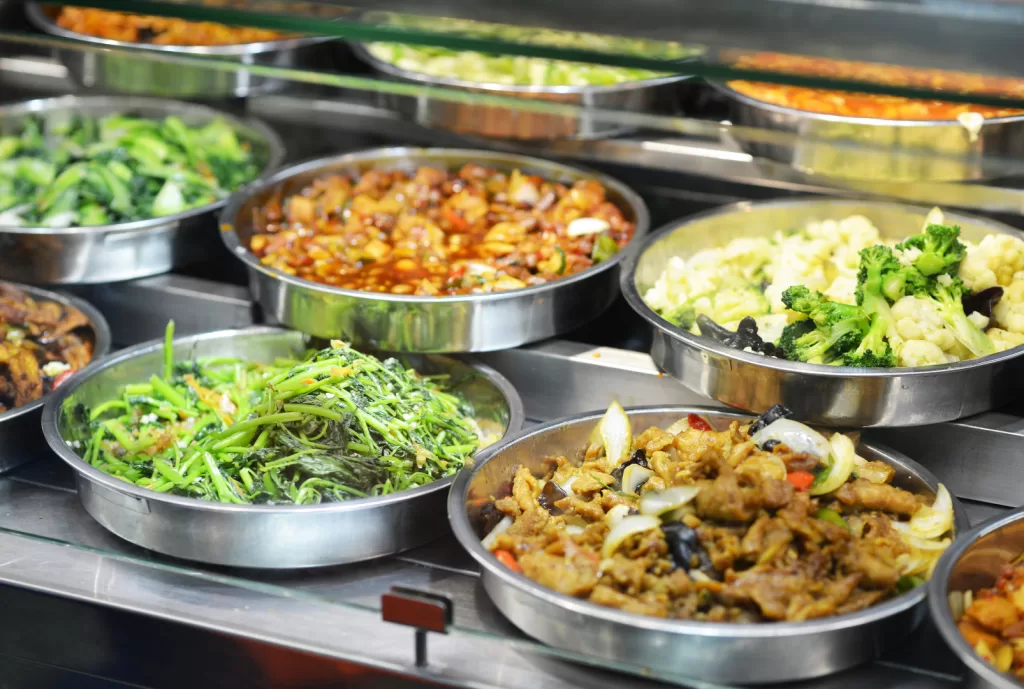
Most of us may be wondering with our busy daily schedules here in Singapore, most of us tend to dine out. As such, is possible to incorporate principles of the Mediterranean Diet whilst dining out especially at our local hawker centres and coffee shops. The answer is yes, you can! Here is a sample of a daily meal plan to show you how:
Breakfast: Wholewheat Toast with Soft Boiled Egg
If you are dining out, you can try to ask for less spread such as kaya and butter on your bread.
Lunch: Fish Soup with Bee Hoon/Rice
Try to ask for wholegrain noodles or rice if available. Avoid drinking too much of the soup as it is a source of sodium.
Snack: Fresh fruit or a pack of nuts (preferably unsalted)
For an alternative to nuts, you can try sacha inchi seeds. It is also a good source of Omega 3, 6 and 9. Get yours here. Currently available in Shoyu with other assorted flavours available soon.
Dinner: Mixed Rice - Grilled Fish, Tofu, Bok Choy.
Choose steamed or stir-fried options when eating mixed rice. Similarly, ask for brown or wholegrain rice if available. Eat less deep fried or processed foods.
Drinks: Coffee/Tea without sugar (Kopi/Teh C Kosong or Kopi/Teh O Kosong)
Alternate Choices:
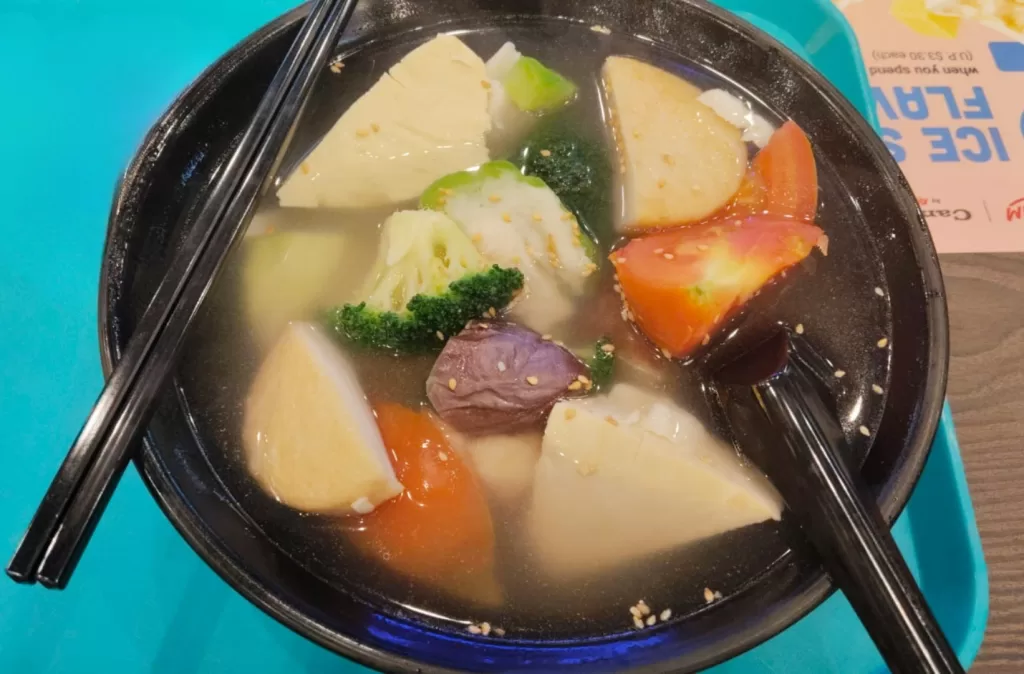
Yong Tau Foo Soup - Select more leafy greens, tofu and fish-based items instead of fried or processed choices. Do remember that the soup is a source of sodium so do not drink too much of it.
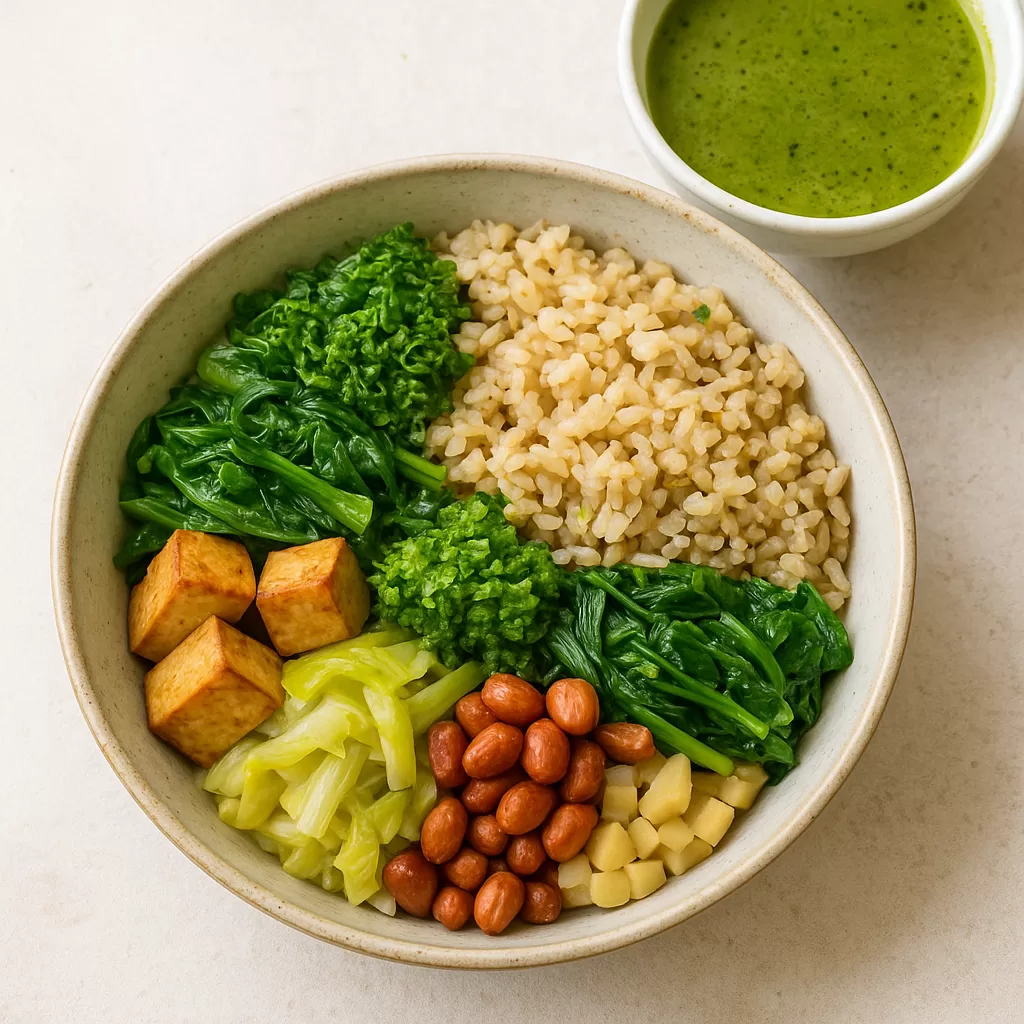
Thunder Tea Rice - This dish is packed full of herbs, vegetables, nuts and brown rice. However, do use less of the accompanying sauce/gravy to reduce your sodium intake.
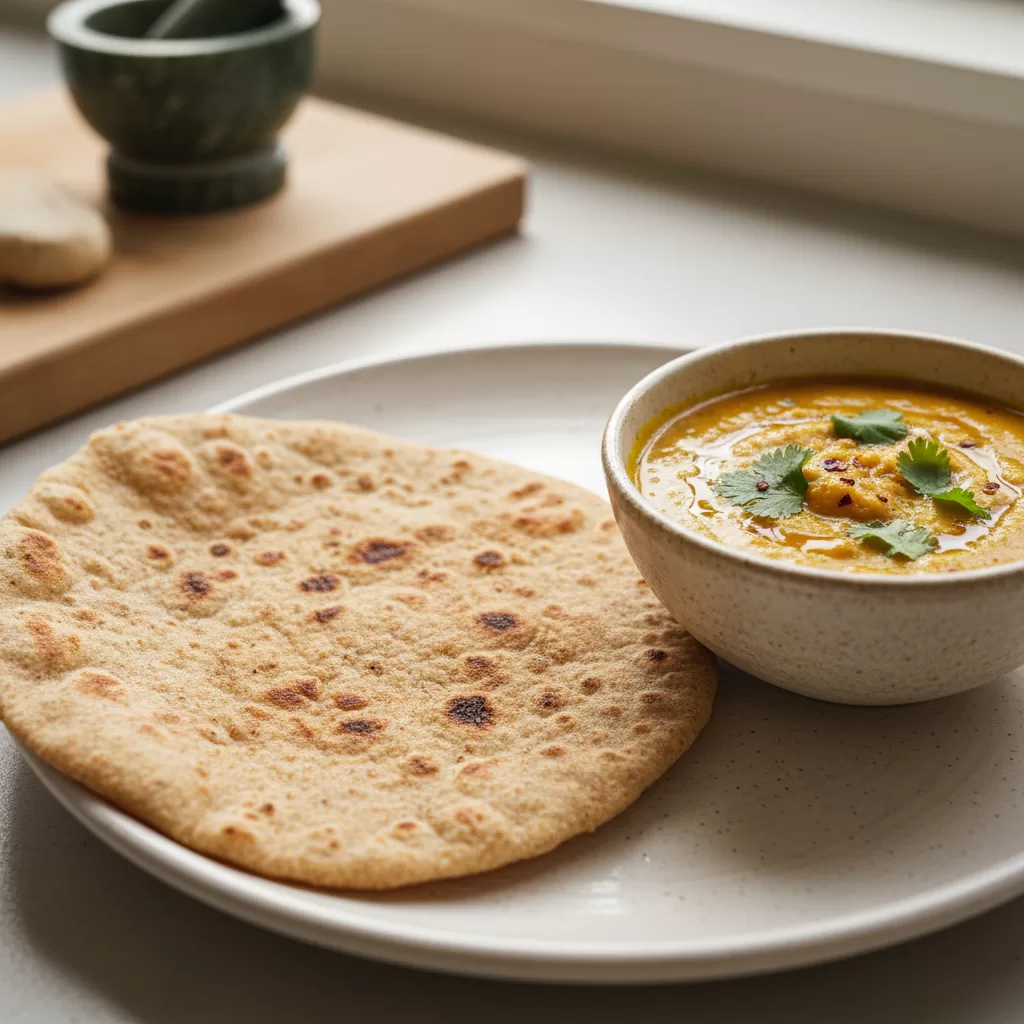
Wholewheat Chapati with Dhal - It is a great source of wholegrain and a source of protein and fibre. If the dhal comes in a curry, try to have less of the curry gravy while eating.
Remember to eat all foods in moderation!
Why it Matters?
Southeast Asia is seeing rising rates of lifestyle related diseases such as diabetes, hypertension and heart disease. By adapting Mediterranean Diet principles with familiar Asian foods and flavours, families can enjoy delicious meals while protecting their long term health.
Changing your diet is not about giving up the flavors you love, but about making small, intentional changes such as including more fruits and vegetables, healthier fats, whole grains and lean proteins while consuming less red meat, processed foods and sugary drinks.